
What Happens During a Flight Simulator Experience?
A flight simulator experience lets you step into the role of a pilot and fly an aircraft in a highly realistic virtual environment. Whether you're curious about aviation, considering pilot training, or simply looking for a unique adventure, a simulator session can give you an authentic taste of what it’s like to control a plane.
In this guide, we’ll walk through what happens in a flight simulator, from the moment you arrive to the moment you land your aircraft.
1. Arrival and Briefing
Your flight simulator experience usually begins with a short pre-flight briefing.
An instructor or simulator technician will welcome you and explain how the session will work. This introduction typically covers:
-
The type of aircraft you’ll be flying
-
Basic flight controls
-
How the simulator works
-
The route or scenario you’ll be flying
You’ll also learn the fundamentals of pitch, roll, and yaw, which are the three movements that control an aircraft.
Even if you’ve never flown before, the briefing ensures you understand the basics before stepping into the cockpit.
2. Entering the Simulator Cockpit
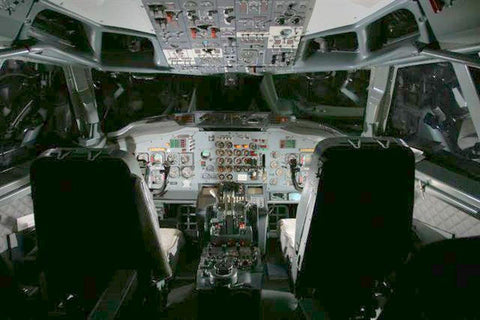
Next, you’ll step inside the simulator cockpit.
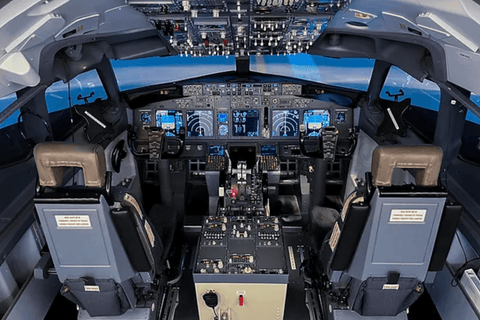
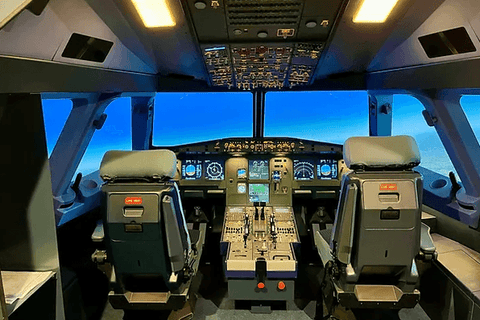
High-quality simulators are designed to replicate real aircraft interiors, often based on commercial airliners such as the Boeing 737 or Airbus A320.
Inside the cockpit you’ll see:
-
Control yoke or sidestick
-
Throttle levers
-
Flight displays and navigation screens
-
Autopilot controls
-
Hundreds of switches and buttons
Your instructor will sit beside you just like a real co-pilot and guide you through the process.
At this stage, the simulator screens will display your starting location—this could be a famous airport, a challenging runway, or even your local airport.
3. Pre-Flight Setup
Before takeoff, you’ll perform a simplified version of the pre-flight checks that real pilots complete.
This may include:
-
Setting flaps for takeoff
-
Adjusting throttle settings
-
Checking flight instruments
-
Aligning the aircraft on the runway
The instructor handles most of the technical setup while explaining what’s happening, so you can focus on learning the flying controls.
This step helps make the experience feel authentic without overwhelming first-time flyers.
4. Takeoff
Takeoff is often the highlight of a flight simulator experience.
With guidance from the instructor, you’ll:
-
Increase throttle to accelerate down the runway
-
Keep the aircraft centered using the rudder pedals
-
Gently pull back on the controls to lift off
As the aircraft leaves the runway, the simulator visuals create the feeling of climbing into the sky.
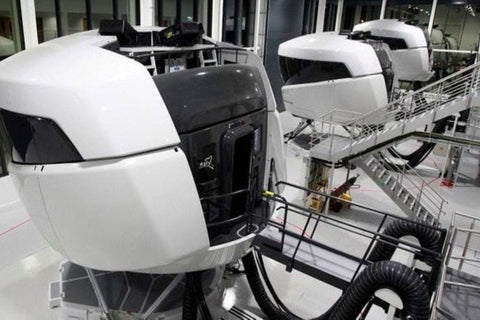
Many participants are surprised by how realistic the sensation feels—even though the simulator itself usually stays stationary.
5. Flying the Aircraft
Once airborne, you’ll have time to explore what flying an aircraft is like.
During this stage you may:
-
Turn the aircraft using the control yoke or sidestick
-
Climb and descend
-
Practice basic navigation
-
Engage or disengage autopilot
-
Fly over landmarks or cities
Some simulators allow you to change weather conditions, meaning you might fly through:
-
Clear skies
-
Heavy clouds
-
Storms or turbulence
Your instructor will guide you through each step, ensuring you stay in control of the aircraft.
6. Approaching the Airport
As your flight comes to an end, you’ll prepare for landing.
The instructor will help you set up the aircraft for approach by:
-
Reducing speed
-
Lowering landing gear
-
Adjusting flaps
-
Aligning with the runway
Landing requires precision and coordination, making it one of the most exciting parts of the simulator session.
7. Landing the Aircraft
With the runway ahead of you, it’s time to bring the aircraft back to the ground.
You’ll gently lower the aircraft while reducing speed and keeping the plane aligned with the runway.
A smooth landing is the goal, though even experienced pilots don’t always achieve a perfect touchdown.
After the wheels touch down, you’ll slow the aircraft using brakes and reverse thrust.
8. Debrief and Photos
Once your simulator flight ends, many experiences include a brief debrief.
Your instructor might discuss:
-
What went well during the flight
-
Interesting moments during takeoff or landing
-
Tips real pilots use when flying
Many venues also allow photos in the cockpit so you can capture the moment you became a pilot for the day.
Why People Love Flight Simulator Experiences
A flight simulator experience offers a unique blend of education, entertainment, and realism. It’s popular with:
-
Aviation enthusiasts
-
People considering pilot training
-
Families and gift experiences
-
Corporate team events
Because the simulator replicates real aircraft systems and environments, participants gain genuine insight into what happens in a flight simulator and how pilots operate an aircraft.
Final Thoughts
So, what happens during a flight simulator experience?
You’ll step into a realistic cockpit, learn the basics of aviation, take off, fly a real route, and attempt your own landing—all under the guidance of an experienced instructor.
It’s one of the closest ways to experience flying an aircraft without leaving the ground, making it an unforgettable activity for anyone curious about aviation.

